Rice Tillering: Topdressing Schedule, Rates and Mid-Season Drainage
The goal at tillering is enough productive tillers — not as many tillers as possible. Taiwan’s Crop Fertilization Manual schedules topdressing at about 15, 30 and 45 days after transplanting for the first crop and 10, 20 and 30 days for the second. Once tiller numbers are sufficient, drain the field for about 14 days (first crop) or 10 days (second crop), until the surface shows 2–3 cm cracks.
Why more tillers do not mean more panicles
Rice yield is the product of panicles per area, grains per panicle, ripening ratio and 1,000-grain weight. The Taichung District Agricultural Research and Extension Station notes that these components pull against each other: as panicles per hill rise, grains per panicle fall noticeably, along with ripening ratio and grain weight.
What you want are productive tillers — those that go on to head and fill. Late tillers rarely make it, compete for nutrients and crowd the canopy.
Seedling rate
The Taichung station recommends 24–26 seedling trays per 0.1 ha, sown at 200–250 g of seed per tray. Growers often use 28 trays or more, putting 13+ seedlings per hill, yet harvest only 16–18 panicles per hill. Extra seedlings cost money and invite disease.
How many topdressings, and when?
The manual splits nitrogen between basal, topdressing and panicle applications. Topdressing falls at about 15, 30 and 45 days after transplanting for the first crop, and earlier — about 10, 20 and 30 days — for the faster-growing second crop.
Season-total nitrogen for japonica rice in central, southern and eastern Taiwan is 110–140 kg/ha for the first crop and 90–120 kg/ha for the second; tillering topdressing comes out of that total, not on top of it. The Taichung station stresses concentrating fertilizer in early growth and at panicle initiation.
Check leaf color and tiller numbers first
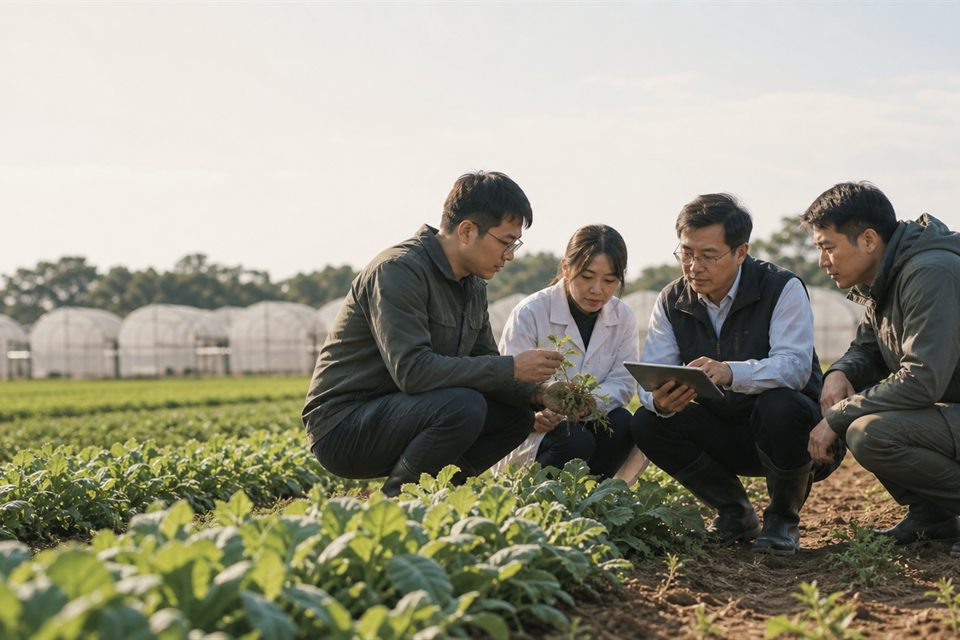
Different parts of a field grow differently. Walk the field before topdressing: skip or reduce areas that are already dark green and dense, and target areas that are pale and slow. Fertilizing by observation rather than by calendar is the cheapest way to reduce lodging and blast.
When to drain, and for how long
Drain the field once tiller numbers approach the target panicle number. This suppresses unproductive late tillers, pushes roots deeper and firms the soil, which helps the crop stand later in the season.
The manual recommends draining for about 14 days in the first crop and 10 days in the second, until the soil surface shows cracks 2–3 cm wide. Then re-flood and start checking for panicle initiation.
Which fertilizer at tillering?
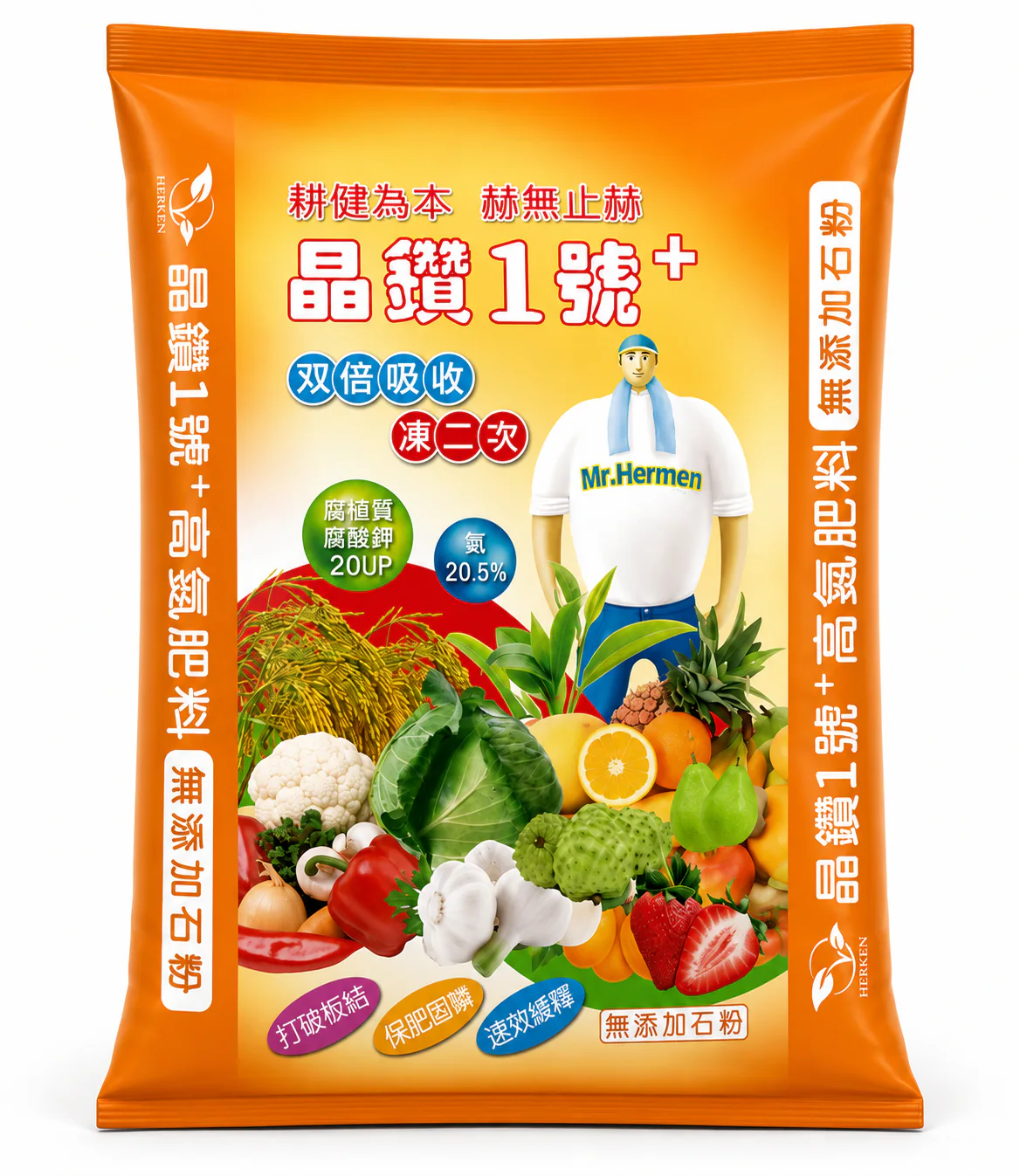
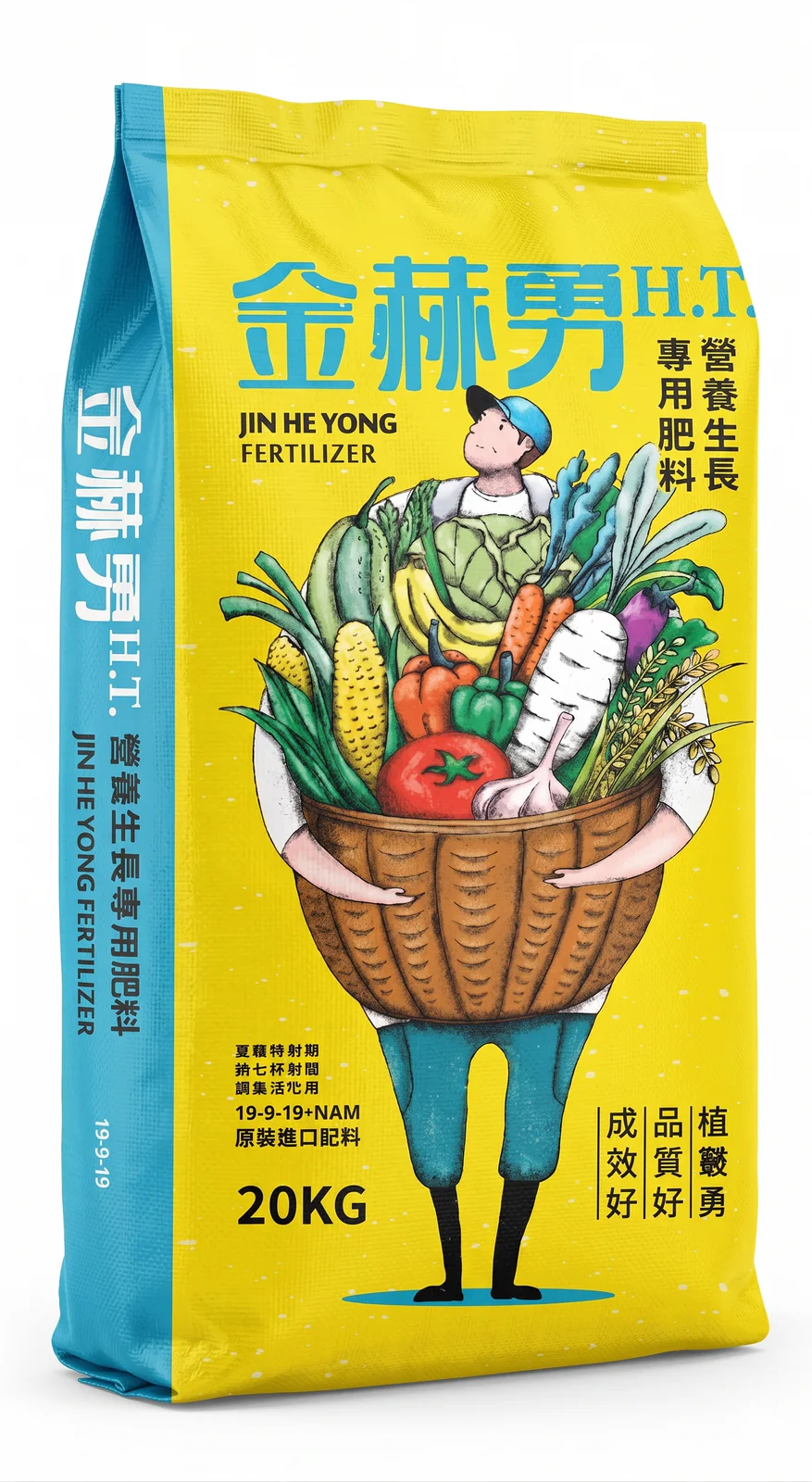
Tillering calls for fast-acting nitrogen. HERMEN Jingzuan No.1 H.T. is a quick-release nitrogen fertilizer with lignin to slow nitrogen loss; Jingzuan No.1 Plus includes potassium fulvate, described on its product page as supporting root and leaf growth. Follow the label and count it within the season total above.
References
Agriculture and Food Agency (MOA): Crop Fertilization Manual, 2024 edition — rice.
Lee, C.F.: Benefits of rational fertilization for rice, Taichung District Agricultural Research and Extension Station.
Taichung District Agricultural Research and Extension Station: Low-cost rice cultivation management, Harvest Farm Magazine vol. 58 (Nov 2008).
FAQ
Typically a basal application, two or three topdressings and a panicle application. Topdressing falls at about 15, 30 and 45 days after transplanting for the first crop and 10, 20 and 30 days for the second.
About 15 and 30 days after transplanting for the first crop, and 10 and 20 days for the second. Check leaf color first and skip areas that are already dark green.
When tiller numbers approach the target panicle number. The manual recommends about 14 days for the first crop and 10 days for the second, until 2–3 cm cracks appear.
No. The Taichung station recommends 24–26 trays per 0.1 ha; at 28+ trays hills carry 13+ seedlings but still yield only 16–18 panicles, with more disease.
Quick-acting nitrogen, such as HERMEN Jingzuan No.1 H.T. (21% N). Take the amount out of the season total — about 110–140 kg N/ha for the first crop and 90–120 kg N/ha for the second — and skip areas whose leaves are already dark green.