
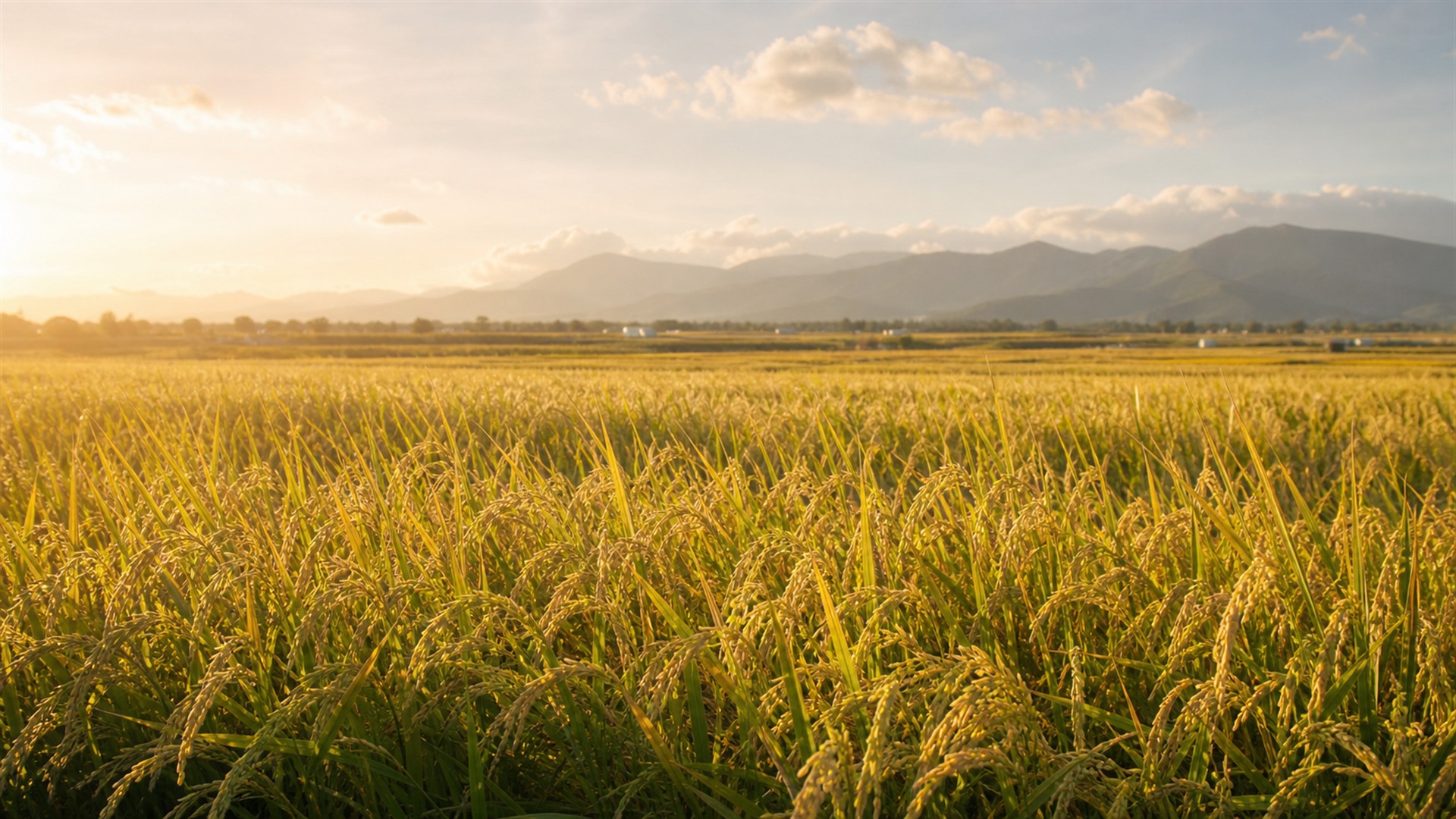
Rice Fertilization Guide
Rice yield is decided across three checkpoints — basal, tillering and panicle fertilization — not by any single application. Too little nitrogen early cuts effective tillers; too much mid-season produces weak stalks that lodge; too little potassium late leaves grains poorly filled. Below are the fertilization priorities for each key stage, with the matching HERMEN formulas.
Fertilization by Growth Stage
- 01
Land Preparation — Building Soil
Long-cultivated paddies harden at depth, limiting root growth and late-season nutrient uptake. Restoring organic matter at land preparation improves soil structure and aeration, helping rice root deeply.
RecommendedJingzuan No.5 - 02
Basal — Side-Dressing at Transplanting
Side-dressing combines transplanting and fertilizing in one pass. Because fertilizer sits close to seedling roots, a coated controlled-release formula is essential to avoid burn while covering later growth stages.
RecommendedHepule S - 03
Tillering — Setting Effective Panicles
Tillering determines panicle number and needs readily available nitrogen. Nitrogen alone produces weak, lodging-prone plants, so balancing potassium and caring for the root zone matters just as much.
- 04
Panicle — Grain Number and Lodging Resistance
At panicle initiation the goal is grain number per panicle: nitrogen drives panicle development while potassium strengthens stalk tissue. Without potassium, even vigorous crops lodge after heading.
RecommendedJinheyong H.T. - 05
Grain Filling — Weight and Eating Quality
Grain filling sets 1000-grain weight and eating quality, and depends on potassium to move assimilates into the grain. Insufficient potassium raises the share of empty husks.
RecommendedHejia Hejia
Formulas for Rice

Jingzuan No.5
Corn-sugar enzyme + 45% organic matter — gentle, soil-revitalizing.
Learn more →
Jingzuan No.1 H.T.
Upgraded high-N functional fertilizer — 21% ammonium N + Lignin 20UP.
Learn more →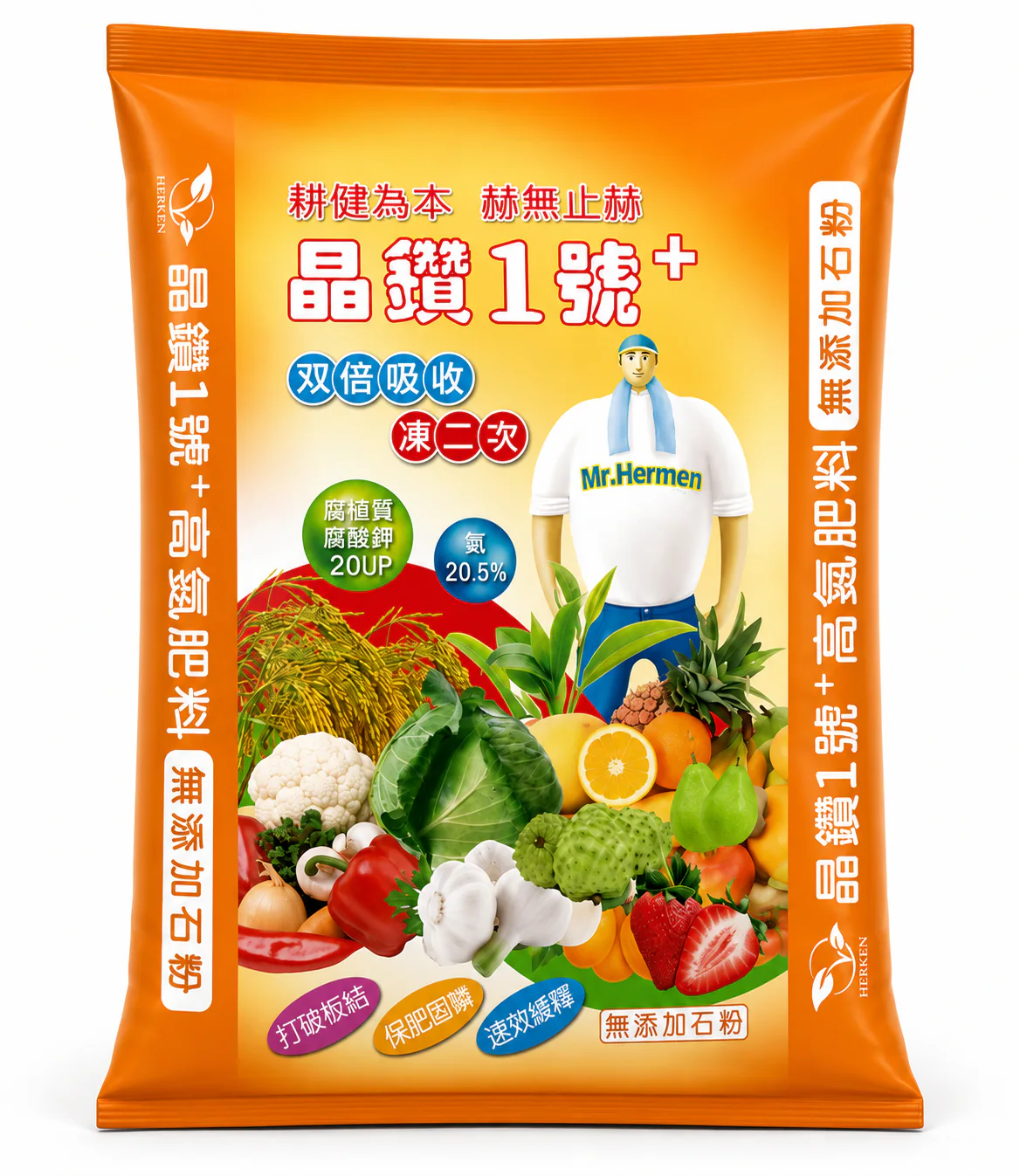
Jingzuan No.1 Plus
20.5% nitrogen + 3 functional factors — no stone powder, soil-activating.
Learn more →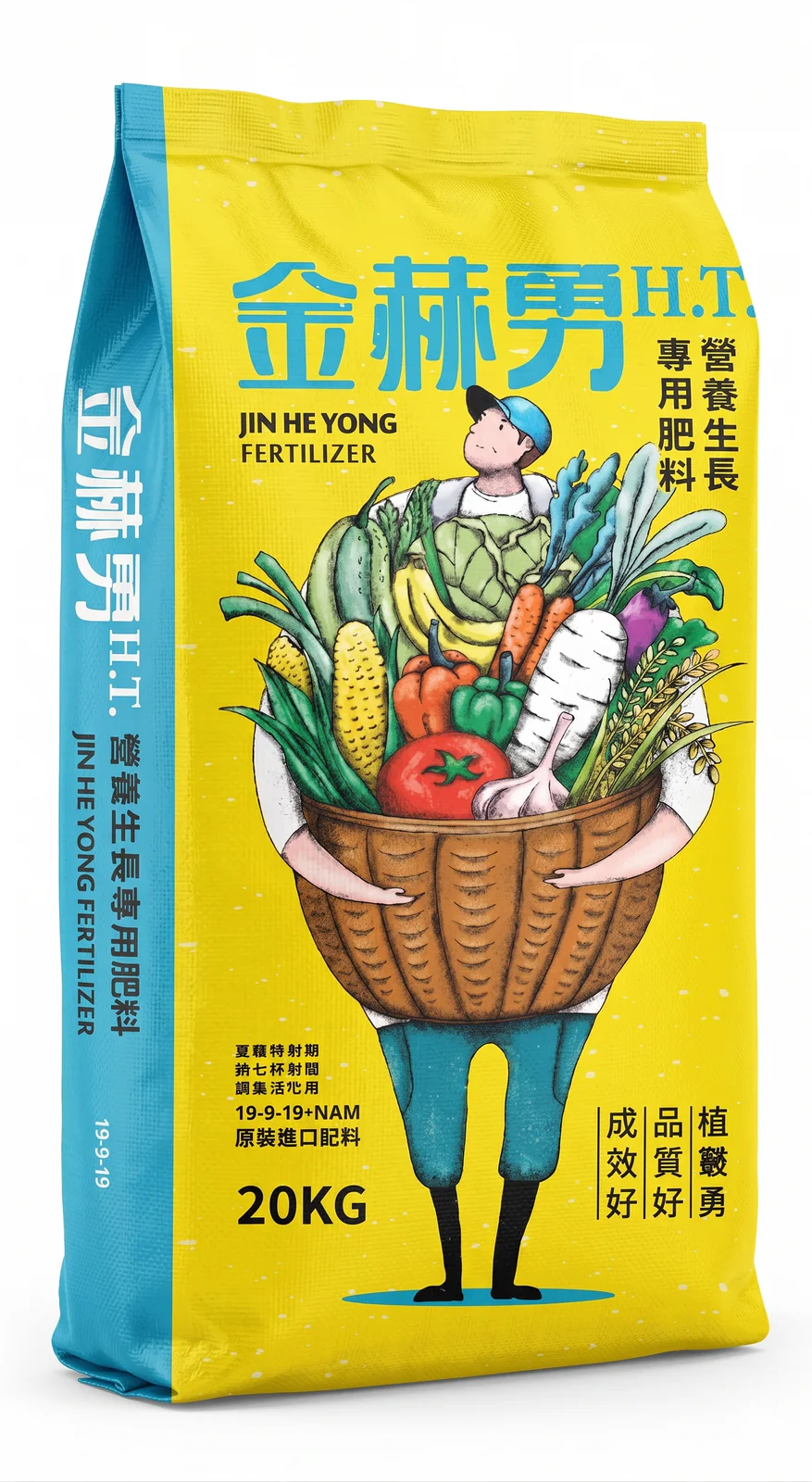
Jinheyong H.T.
High N & K dual drive — vigorous growth with lodging resistance.
Learn more →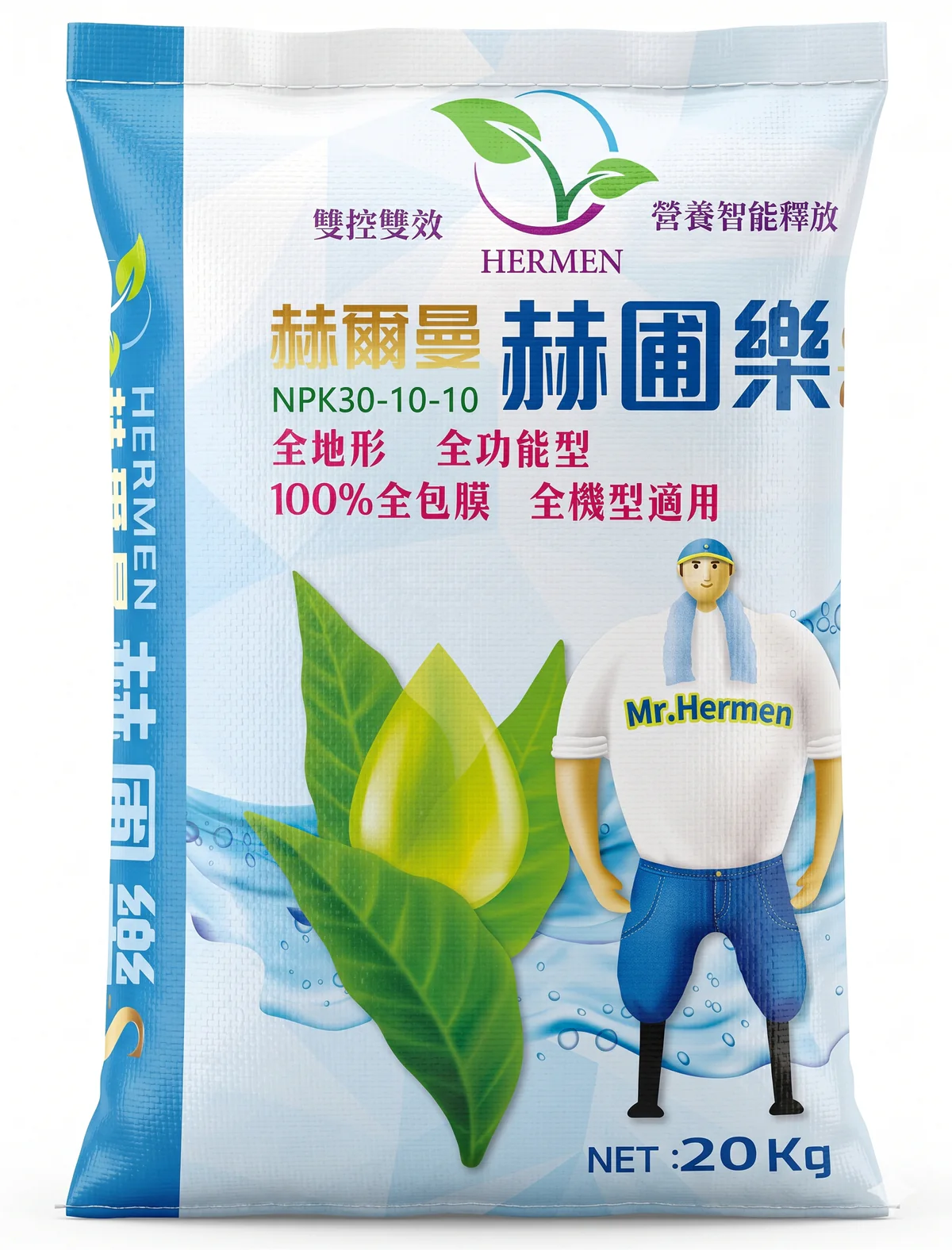
Hepule S
Graphene 100% coated, side-band controlled-release — labor-saving, high yield.
Learn more →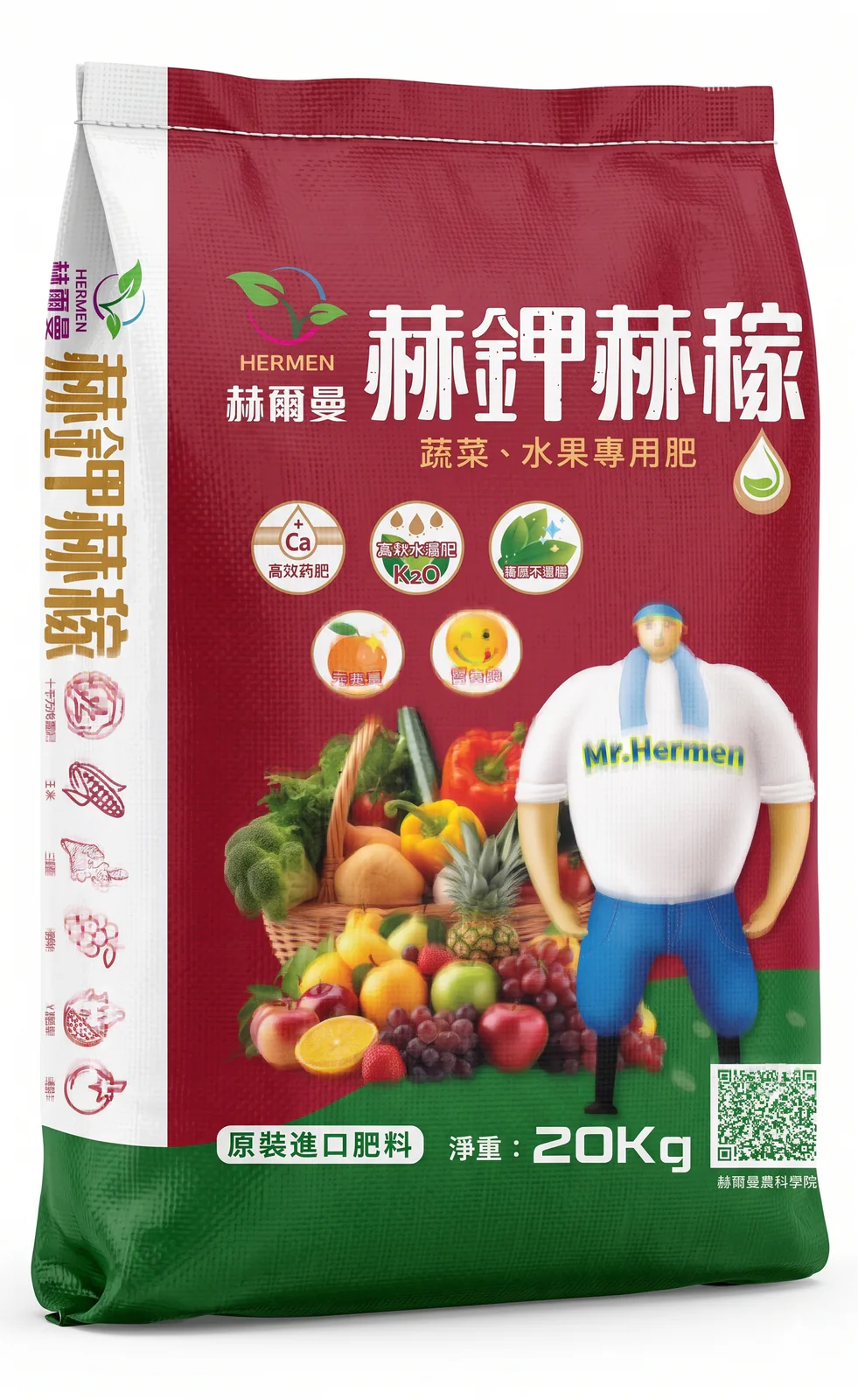
Hejia Hejia
25% potassium + calcium for sweetness, coloring and crack resistance.
Learn more →Frequently Asked Questions
Conventional practice applies basal, tillering and panicle fertilizer across three to four passes. A coated controlled-release side-dressing formula can be applied once at transplanting, releasing nutrients across the season and cutting later topdressing considerably.
Usually yes. Excess nitrogen with insufficient potassium elongates internodes and weakens stalks. Controlling mid-season nitrogen and supplying potassium at tillering and panicle stages strengthens stalk tissue and reduces lodging.
Around panicle initiation, with the aim of raising grain number per panicle and filling. Applied too early, nitrogen is consumed by vegetative growth and lodging risk rises; applied too late, grain number is already set. Choose a formula balanced in nitrogen and potassium so panicle development and stalk strength are supported together.
With quick-release high-nitrogen fertilizer there is a real risk, because the fertilizer sits close to seedling roots. A 100% fully coated controlled-release formula releases nutrients through the coating gradually, so root-zone concentration does not spike after application — which is why coated products are used for mechanical side-dressing.
Compaction usually follows insufficient organic matter and long-term chemical-only fertilization. Apply a fertilizer high in organic matter at land preparation or as basal fertilizer to build fertility year on year, improving aggregate structure and aeration so roots can develop downward — which also improves late-season uptake and lodging resistance.
Need a Plan for Your Own Field?
HERMEN’s agronomic team will tailor a fertilization plan to your crop, region and growing method.
CONTACT HERMEN