
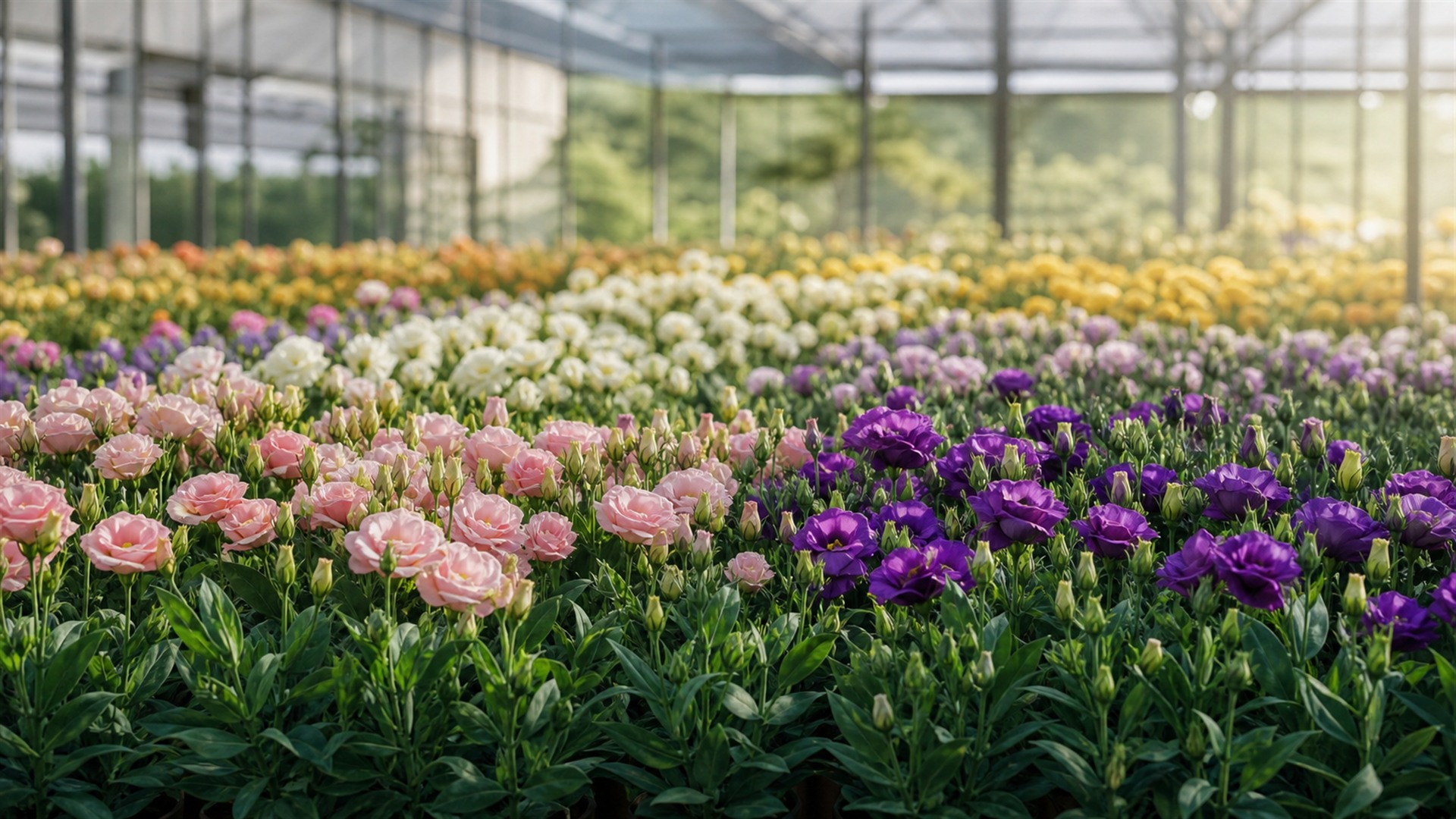
Floriculture Fertilization Guide
The most common mistake in floriculture is treating "bloom boosting" as applying high phosphorus throughout. Flowering only happens once the plant has enough structure and leaf area to support buds. The correct rhythm is growth first, bloom second — nitrogen and phosphorus together to build the plant and initiate buds, then phosphorus alone to push flowering.
Fertilization by Growth Stage
- 01
After Pruning — Vegetative Growth
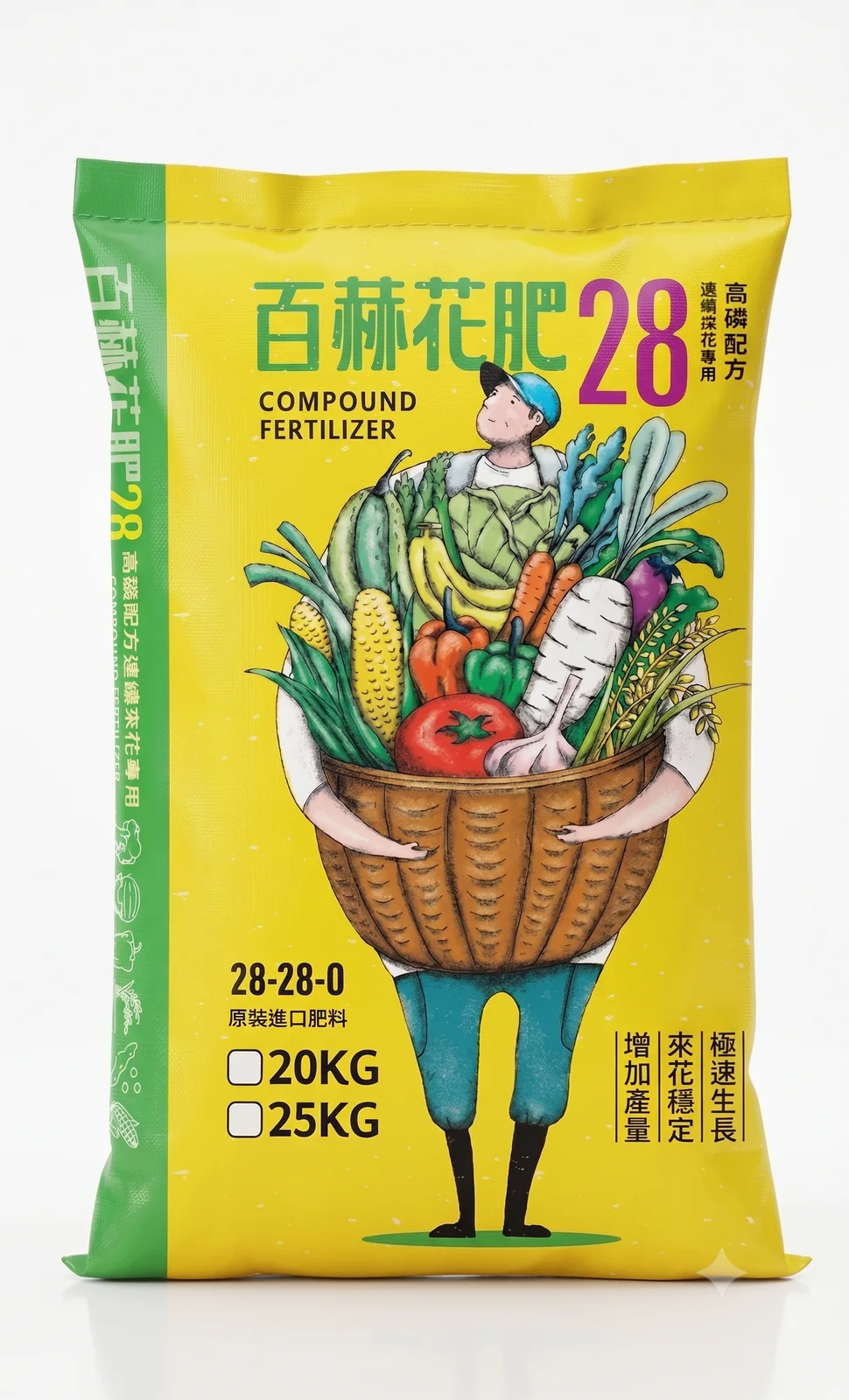
Regrowth after pruning needs nitrogen for new shoots and leaves. Applying only high-phosphorus bloom fertilizer here produces flowers on a frame too small to carry them. Use a balanced high-nitrogen, high-phosphorus formula to drive shoot extension while priming for bloom.
RecommendedBaihe Huafei 28 - 02
Bud Initiation — Switching to Bloom
Bud initiation needs phosphorus to form flower organs and nitrogen to sustain the plant — over-weighting either is counterproductive. A 1:1 high-nitrogen, high-phosphorus formula bridges this transition.
RecommendedBaihe Huafei 28 - 03
Flowering — Volume and Duration
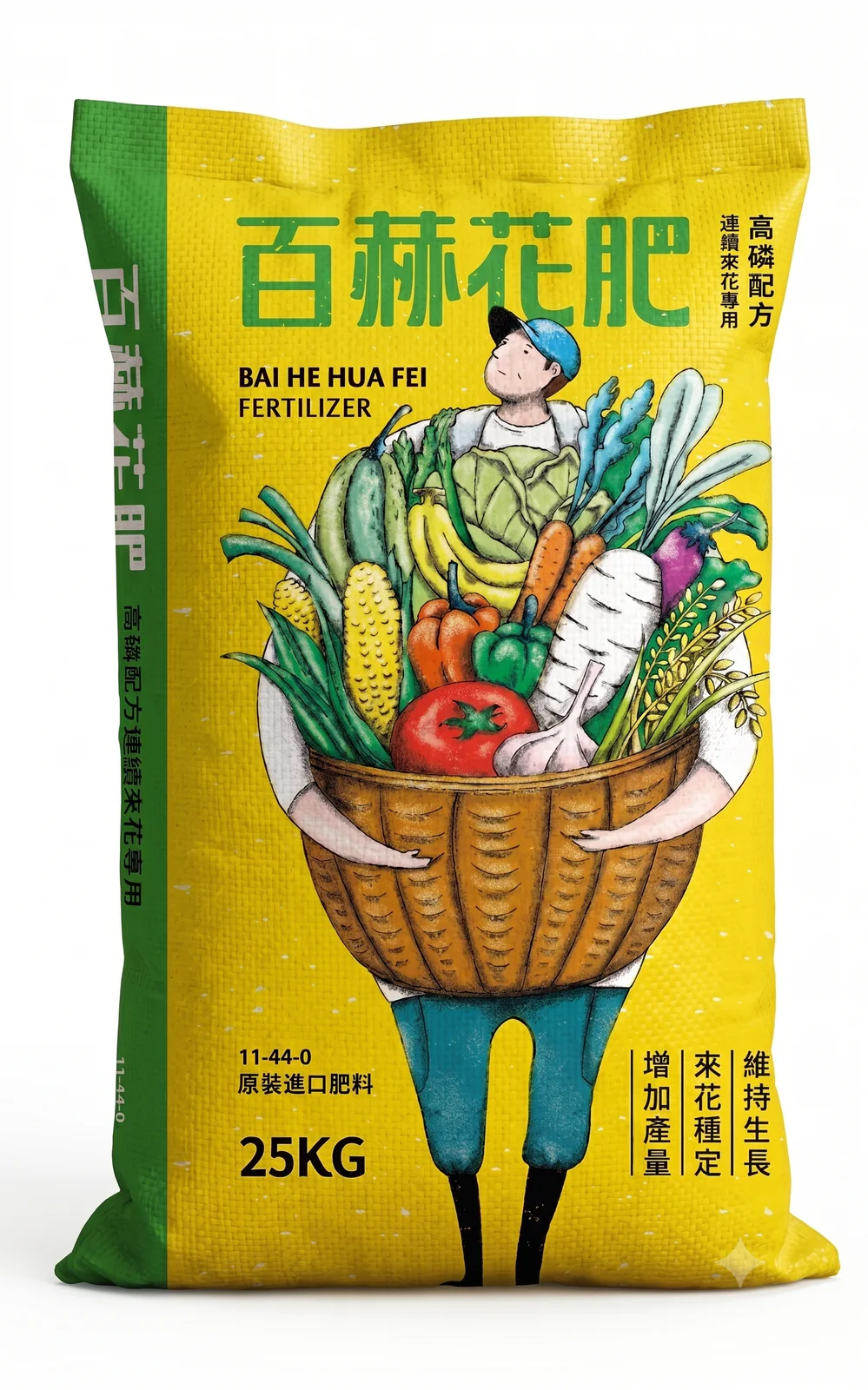
From flowering onward, reduce nitrogen and lead with phosphorus to direct growth toward flowers rather than foliage. Bud drop usually follows an interruption in supply, so phosphorus should run continuously from initiation rather than starting when buds appear.
RecommendedBaihe Huafei
Frequently Asked Questions
A classic case of too much nitrogen relative to phosphorus. The plant keeps growing vegetatively instead of initiating flower buds. Reduce nitrogen and lead with a high-phosphorus formula to redirect growth toward flowering.
Between bud initiation and flowering. Applied too early it has little effect because the plant has not entered reproductive growth; applied too late the buds are already set. Switch formulas as the plant transitions.
Bud drop generally follows an interruption of nutrition after buds form, leaving the plant unable to carry them all. Supply phosphorus continuously and regularly from bud initiation rather than waiting until buds appear, and check that early vigour was sufficient to support the intended flower load.
The priority after pruning is re-shooting, which calls for a nitrogen-led profile with phosphorus in support. Applying only high-phosphorus bloom fertilizer produces flowers on a frame that never grew. Use a balanced high-nitrogen, high-phosphorus formula, then switch to high phosphorus once new shoots are away and buds are clearly forming.
Need a Plan for Your Own Field?
HERMEN’s agronomic team will tailor a fertilization plan to your crop, region and growing method.
CONTACT HERMEN