
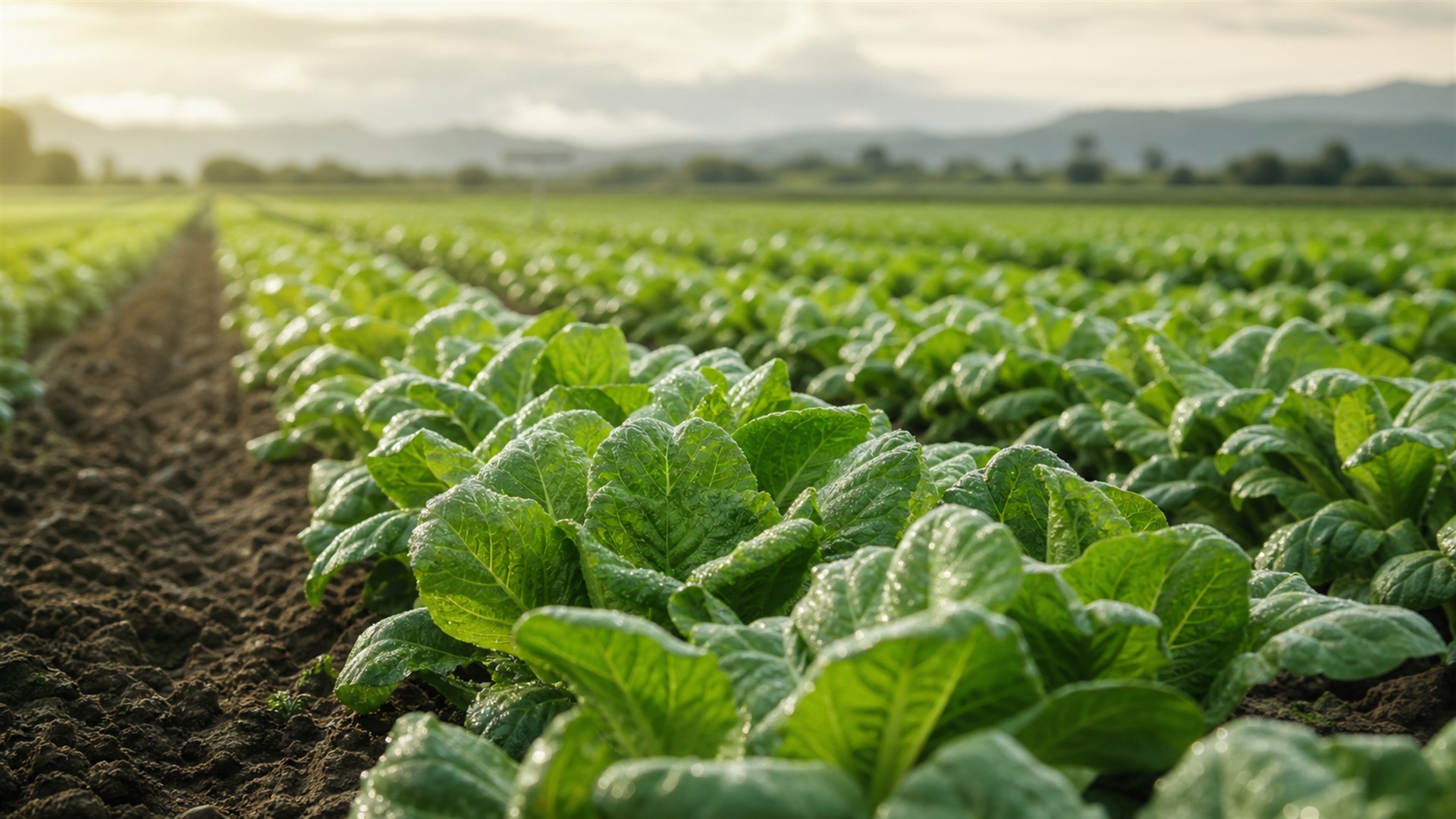
Leafy Vegetable Fertilization Guide
Leafy vegetables run a short cycle — often just one to two months from transplanting to harvest — leaving no time to correct a nutrition gap. And they are sold on appearance and texture: colour, leaf thickness, head firmness and post-harvest durability all translate directly into price.
Fertilization by Growth Stage
- 01
Nursery — Safe and Steady
Seedling roots are fragile and easily damaged by high salt concentration. A fully soluble balanced formula that can be diluted to need lowers the risk of over-supplying any single element.
RecommendedHeyefei H.T. - 02
Establishment — Driving Early Growth
Establishment needs nitrogen that is fast but not violent: too slow and growth stalls, too fast and plants stretch and weaken. Stabilised nitrogen releases steadily and resists leaching in sandy or high-rainfall conditions.
RecommendedHetisu H.T. - 03
Heading — Weight and Grade
Heading determines weight, with nutrition concentrated on filling the head. Continuing with high nitrogen produces loose heads and excess outer leaf; switch to a high-potassium formula, and supply magnesium to keep outer leaves photosynthesising.
RecommendedDihe Lanfei - 04
Pre-Harvest — Shelf Life
Post-harvest softening traces back to insufficient tissue density and potassium. Potassium raises turgor and structural strength, directly affecting how produce survives transport and shelf time.
Formulas for Leafy Vegetables
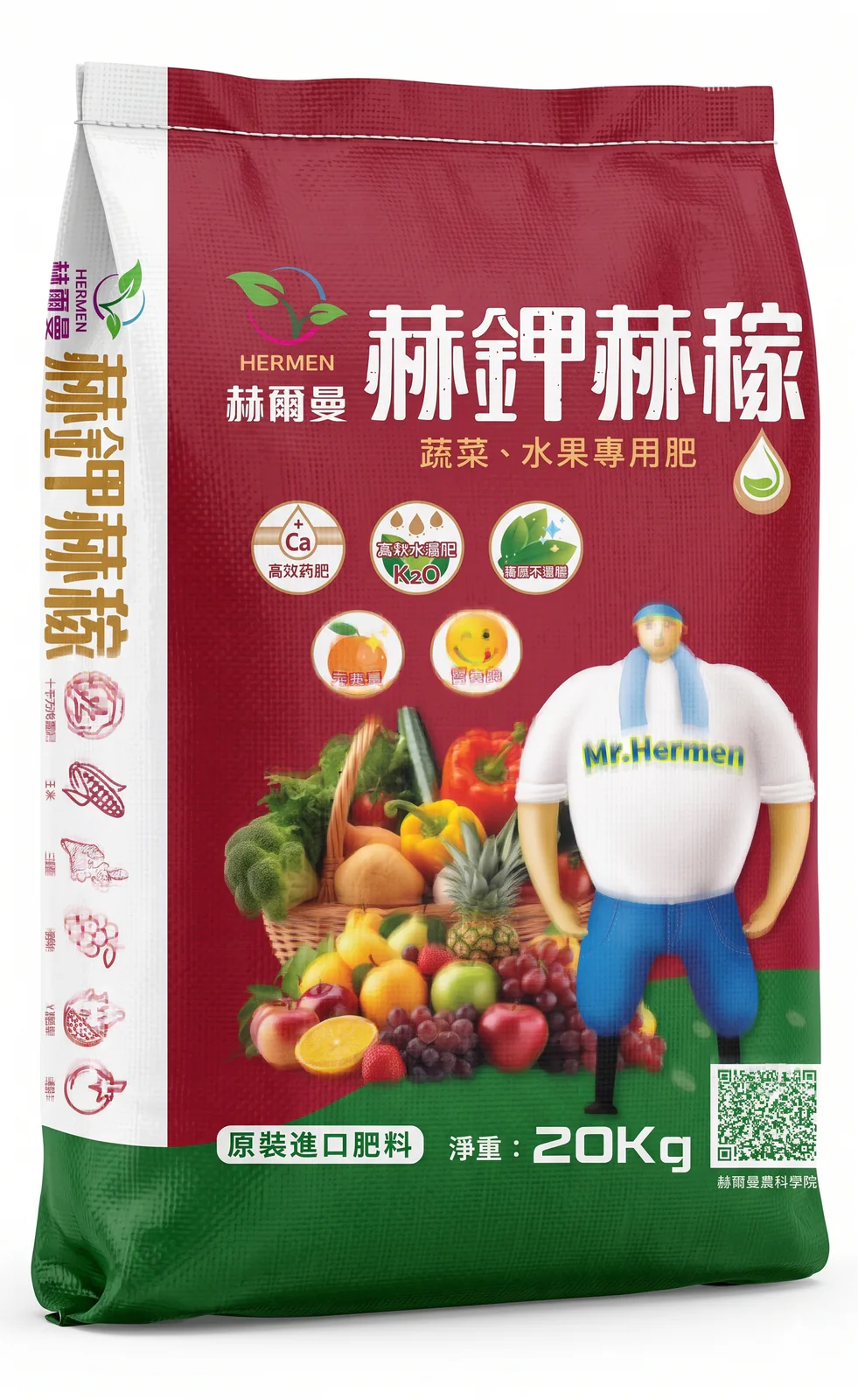
Hejia Hejia
25% potassium + calcium for sweetness, coloring and crack resistance.
Learn more →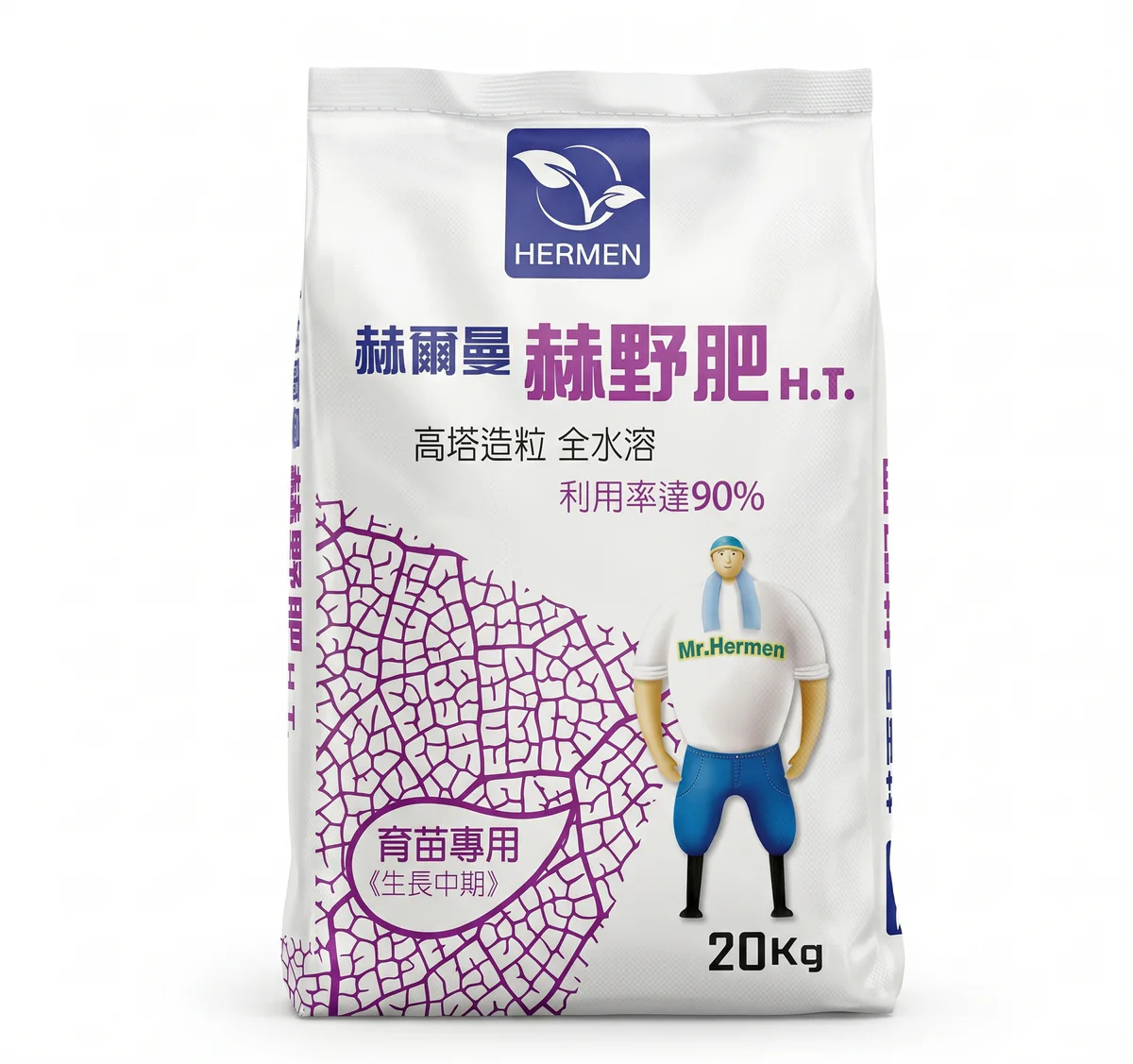
Heyefei H.T.
Tower-granulated, 90% utilization — balanced nutrition for nursery & fruiting crops.
Learn more →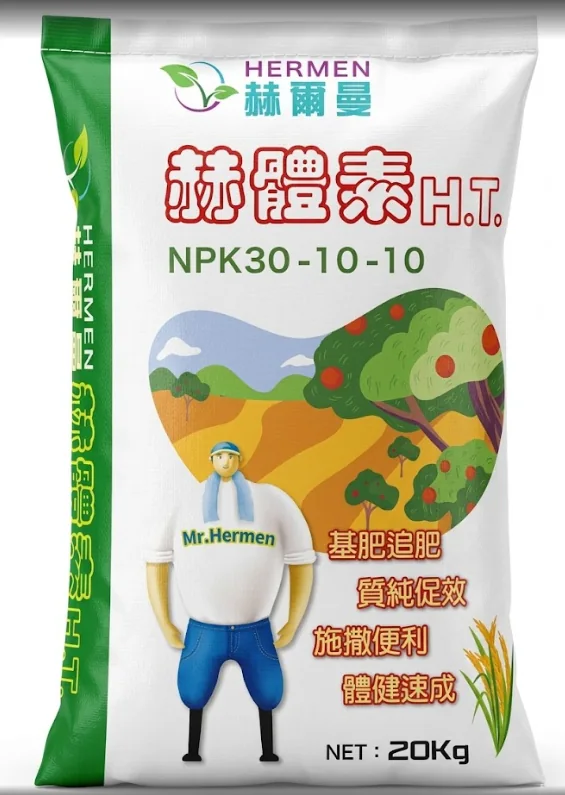
Hetisu H.T.
HT-DMPP nitrogen control — fast, sturdy growth without overstretching.
Learn more →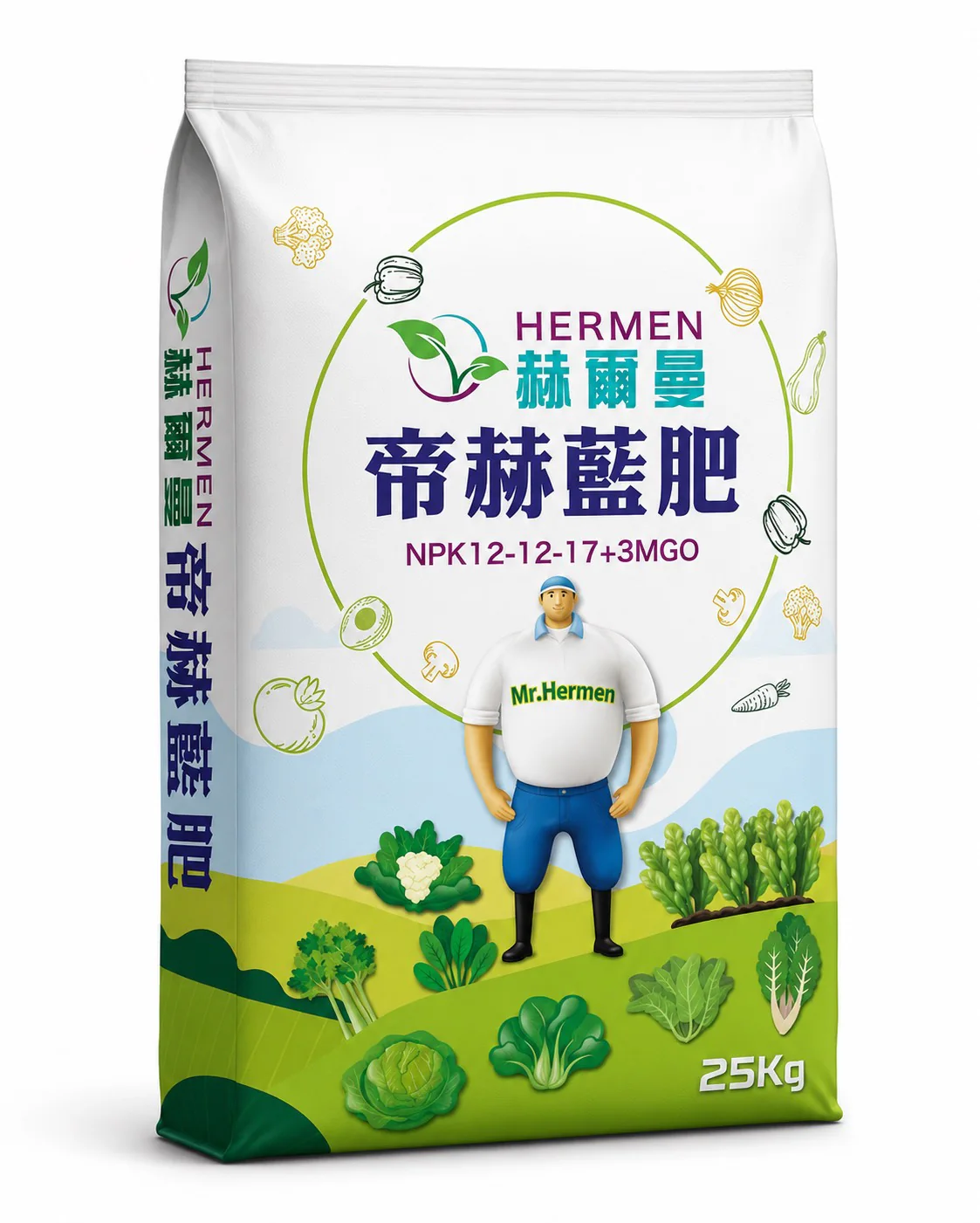
Dihe Lanfei
High potassium + 3% MgO for green, firm, transport-ready leafy crops.
Learn more →Further Reading
Frequently Asked Questions
Colour depends on the balance of nitrogen, potassium and magnesium rather than nitrogen alone. Magnesium is a component of chlorophyll — without it, extra nitrogen cannot produce full colour. Lower leaves yellowing while veins stay green typically indicates magnesium deficiency.
Usually insufficient potassium during heading, or continued high nitrogen that pushes outer leaf growth instead of head filling. Switch to a high-potassium formula early in heading and maintain magnesium for outer-leaf photosynthesis.
The cycle is short, so typically a basal application before transplanting plus one to three topdressings, adjusted to crop type and days to harvest. What matters is not the count but whether the nutrient profile is right at each point — nitrogen-led early to drive growth, shifting to high potassium mid-to-late for head formation and quality.
Softening and water loss after harvest tie directly to insufficient potassium. Potassium raises cell turgor and tissue density, so a high-potassium formula applied as a mid-to-late topdressing produces firmer leaf tissue that holds up better after harvest, reducing transport losses and rejections.
Need a Plan for Your Own Field?
HERMEN’s agronomic team will tailor a fertilization plan to your crop, region and growing method.
CONTACT HERMEN