Melon & Fruiting Crop Fertilization Guide
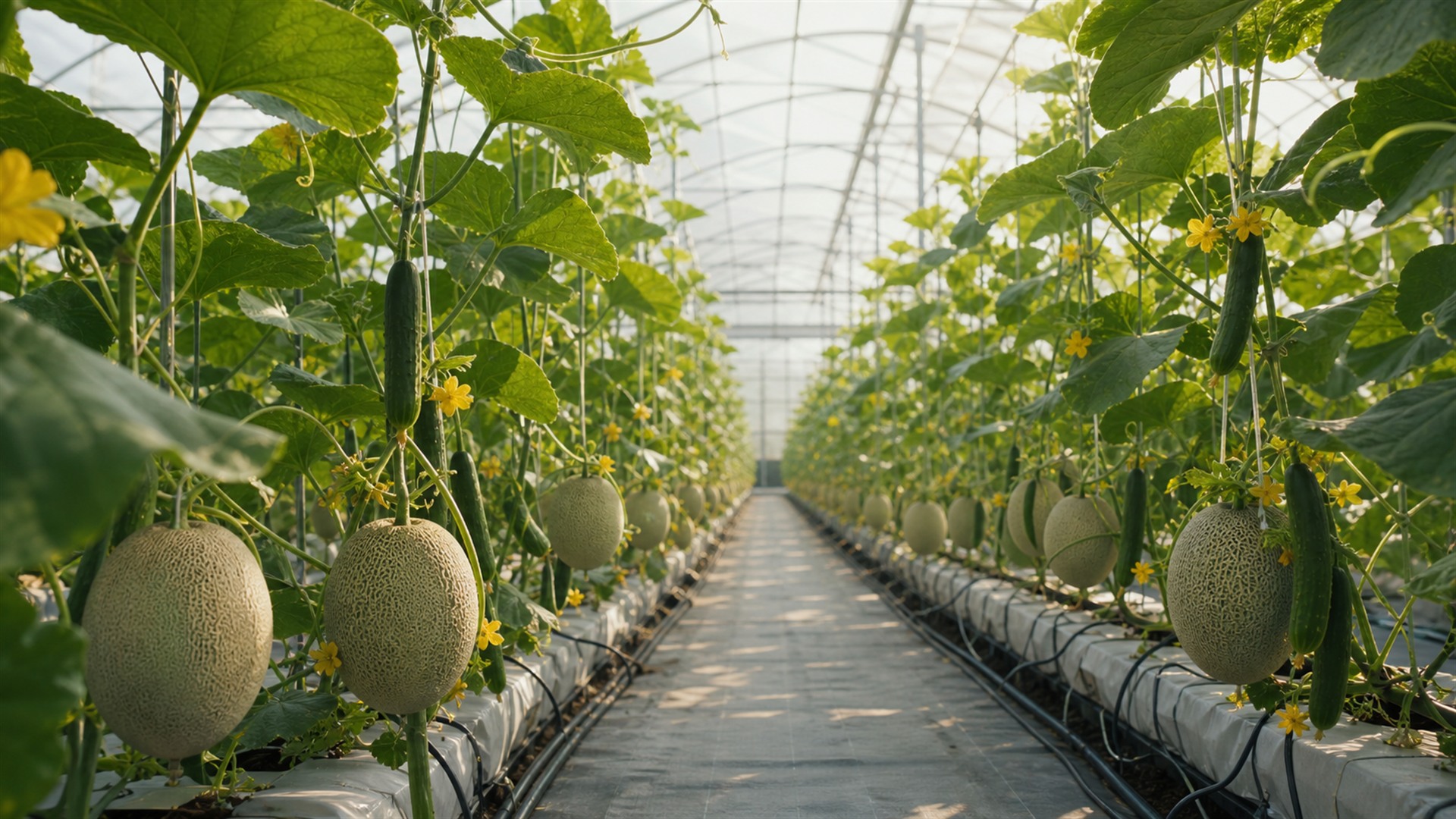
Fruiting crops are difficult because vegetative growth and fruit development compete for the same nutrients. Excess nitrogen produces rampant vines and poor set; insufficient phosphorus weakens flowers and aborts fruit. From colour break onward, potassium and calcium take over as the drivers of sweetness and grade.
Fertilization by Growth Stage
- 01
Nursery — Balanced Start
At seedling stage nutrient demand has not yet differentiated, so a balanced fully soluble formula works best. Avoid over-supplying any single element and watch dilution to protect fragile roots.
RecommendedHeyefei H.T. - 02
Flowering & Fruit Set — Phosphorus Leads
Phosphorus drives flower development and fertilisation, making it the key to fruit set. High nitrogen at this point pushes the plant toward vegetative growth instead. Fully soluble formulas deliver phosphorus straight to the root zone through drip.
RecommendedJiapeihe H.T. - 03
Fruit Sizing — Number and Shape
Fruit number and shape are set during sizing, and abortion happens when nutrition cannot keep pace with load. Lead with phosphorus, support with nitrogen and potassium, and direct nutrition to the fruit rather than the canopy.
- 04
Colour Break & Ripening — Sweetness and Firmness
Sweetness and colour are governed by potassium, which moves sugars into the fruit, while calcium strengthens cell walls and skin — the key to reducing cracking and blossom-end rot. A high-potassium, calcium-containing formula with stable irrigation works best here.
RecommendedHejia Hejia
Formulas for Melons & Fruiting Veg
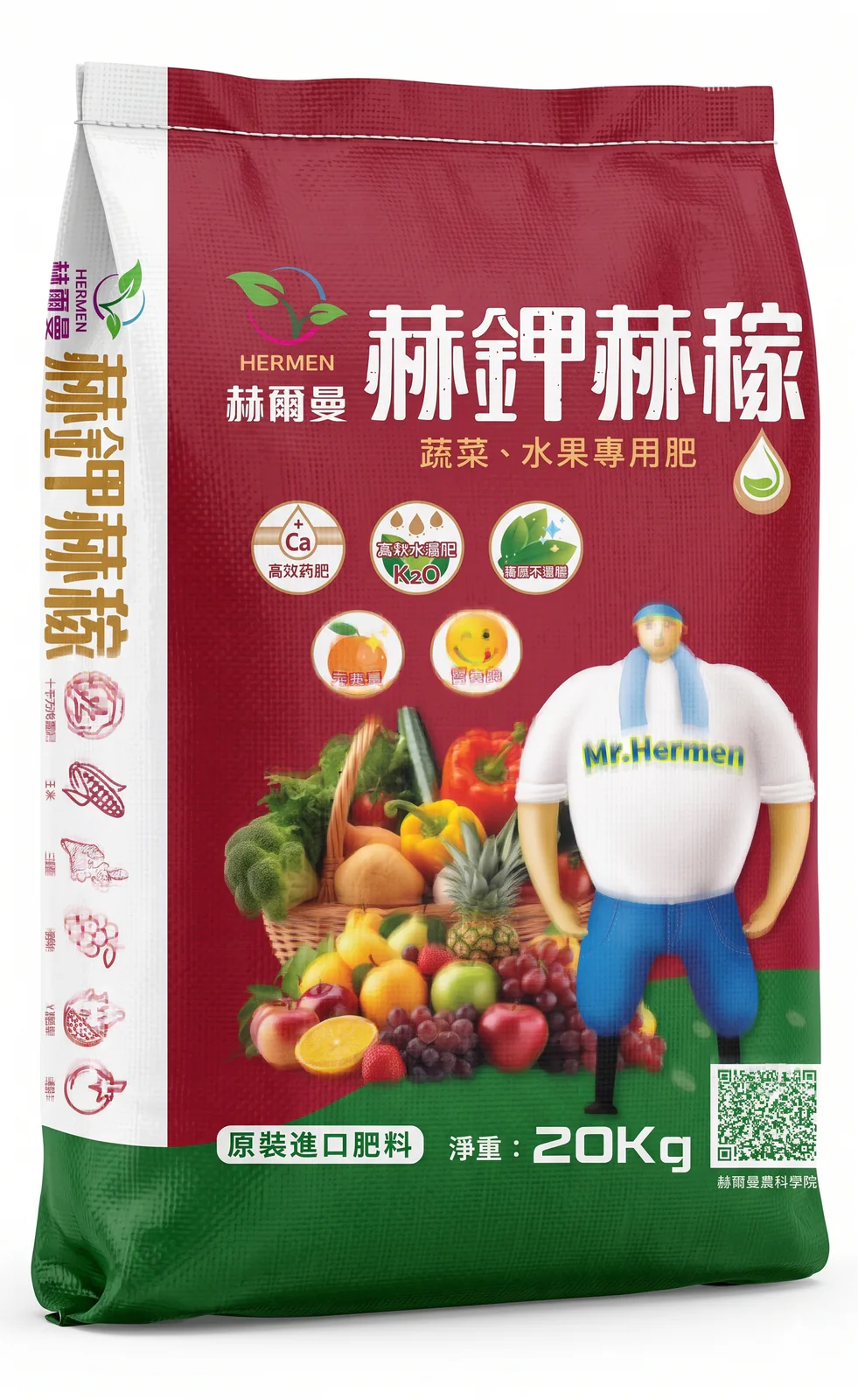
Hejia Hejia
25% potassium + calcium for sweetness, coloring and crack resistance.
Learn more →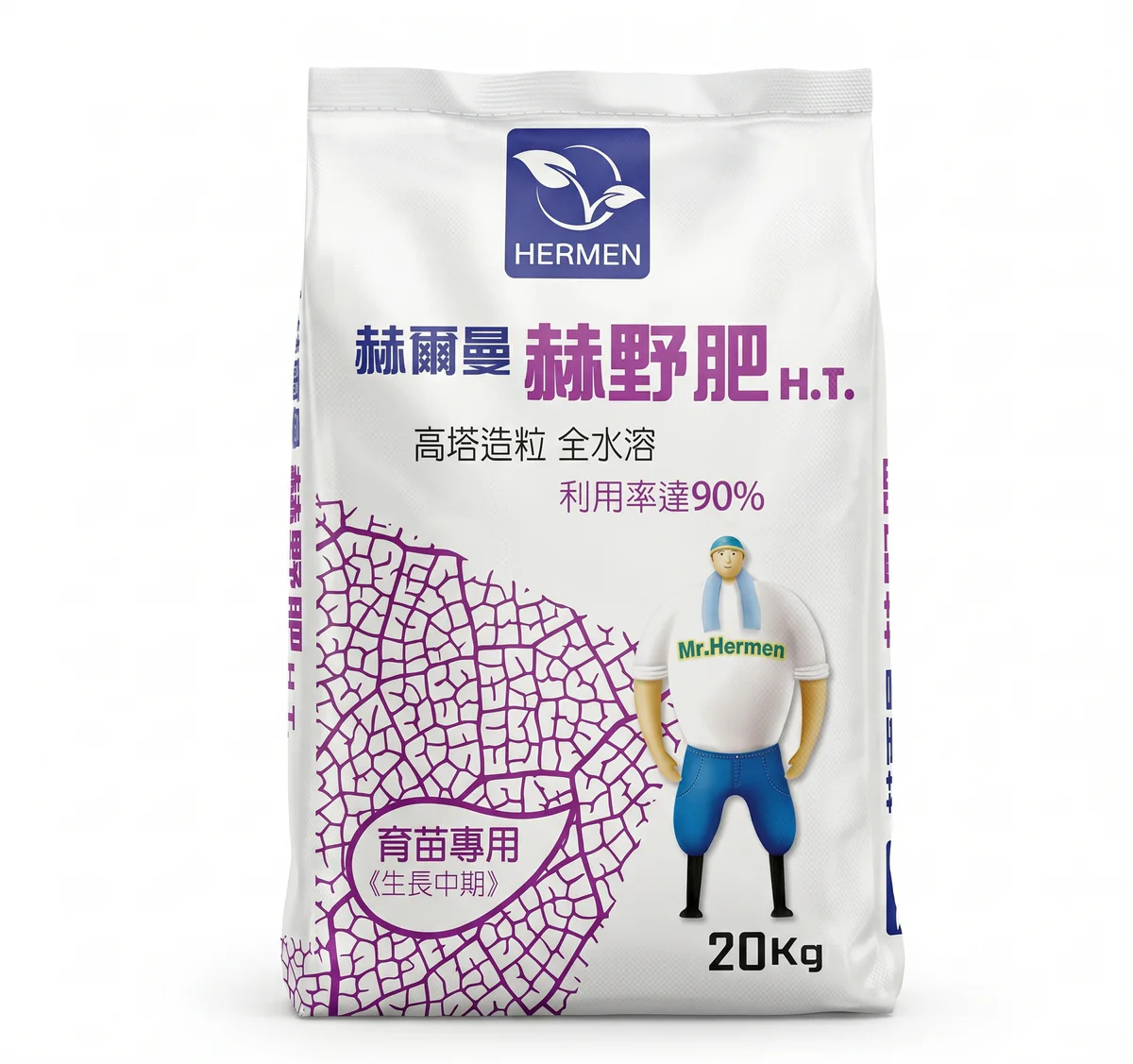
Heyefei H.T.
Tower-granulated, 90% utilization — balanced nutrition for nursery & fruiting crops.
Learn more →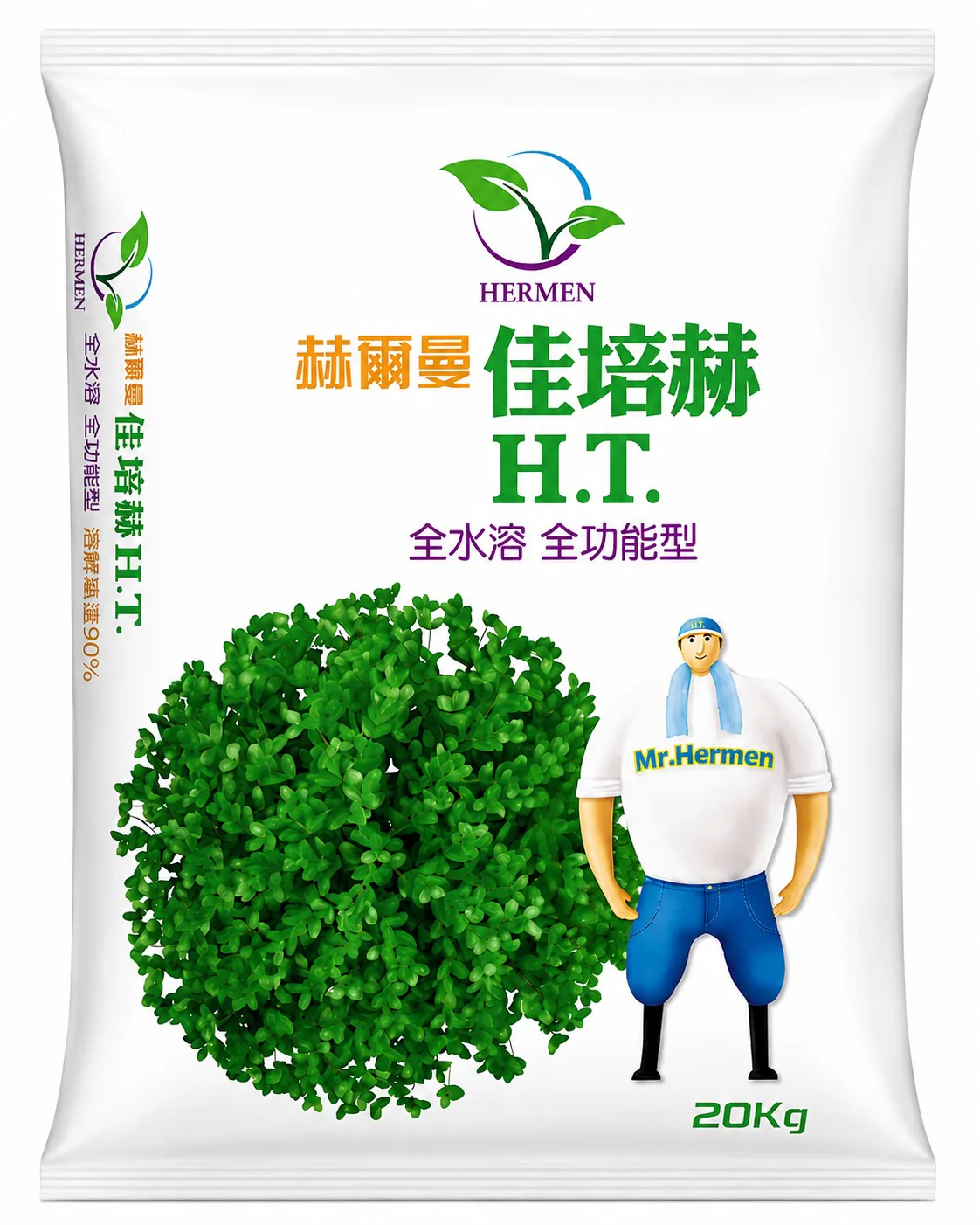
Jiapeihe H.T.
90% solubility, high phosphorus for flowering, fruit set and sweetness.
Learn more →Frequently Asked Questions
Two common causes: insufficient phosphorus during flowering, which weakens flower development and fertilisation; and excess nitrogen, which pushes the plant toward vegetative growth. Begin regular high-phosphorus feeding before flowering and moderate nitrogen.
Cracking comes from weak skin combined with sharp swings in water supply. Calcium strengthens cell walls while potassium regulates fruit water balance; supplying both from fruit sizing onward, alongside stable irrigation, lowers the incidence.
Blossom-end rot is not a pathogen but a shortfall or transport failure of calcium during fruit development, aggravated when water supply alternates between wet and dry. Supply water-soluble calcium regularly through fruit development and stabilise irrigation — the two together are what make the difference.
Clogging comes from incomplete dissolution leaving residue in emitters, so the decisive factors are solubility and impurity content. Choose a fully soluble formula with high solubility and clean raw materials, dissolve it completely in a stock tank before injection, and flush lines on your normal schedule.
Need a Plan for Your Own Field?
HERMEN’s agronomic team will tailor a fertilization plan to your crop, region and growing method.
CONTACT HERMEN